
Audio Background Noise and Hidden Devices: The Role of Forensic Audio Enhancement
Hidden audio devices can be incredibly effective tools, but background noise often stands in the way of capturing clear, usable recordings. Whether it’s HVAC hum, street traffic, electronic interference, or wind, ambient sound can severely impact recording quality. This is where Forensic audio enhancement and Professional audio restoration for evidence become essential—not only after recording, but as part of a complete strategy from setup to analysis.
In this article, we’ll explore how background noise affects hidden audio devices and how Forensic audio enhancement and Professional audio restoration for evidence can help overcome these challenges.
Why Background Noise Matters for Hidden Devices
Reduced Clarity
Background noise can easily mask important sounds like conversations. When clarity drops, recordings may lose their value entirely. This is why Forensic audio enhancement and Professional audio restoration for evidence are critical—they help recover intelligibility and preserve key details that might otherwise be lost.
Lower Signal-to-Noise Ratio (SNR)
Hidden devices often capture low-volume or distant voices. When background noise increases, the signal-to-noise ratio decreases, making it harder to isolate meaningful audio. Forensic audio enhancement plays a major role here by improving SNR during analysis, while Professional audio restoration for evidence ensures recordings meet evidentiary standards.
Automatic Gain Control (AGC) Issues
Many devices use AGC to automatically adjust volume. In noisy environments, this can amplify unwanted sound and even introduce distortion. Applying Forensic audio enhancement and Professional audio restoration for evidence can help correct these issues and rebalance audio levels.
Post-Processing Challenges
Cleaning noisy recordings is complex. Too much noise reduction can distort speech, while too little leaves interference. This is where Forensic audio enhancement and Professional audio restoration for evidence are indispensable, offering precise tools to improve clarity without damaging the integrity of the recording.
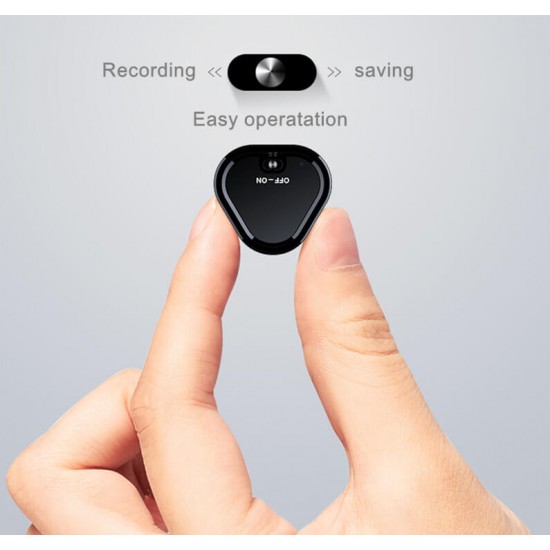
Technical Strategies to Minimize Background Noise
Use Directional or Low-Noise Microphones
Selecting the right microphone is key. Cardioid or supercardioid microphones focus on desired sound while rejecting ambient noise. Pairing this with Forensic audio enhancement and Professional audio restoration for evidence ensures optimal results both during and after recording.
Optimize Microphone Placement
Positioning the microphone close to the sound source improves clarity and reduces noise pickup. Proper placement reduces the need for heavy Forensic audio enhancement later, though Professional audio restoration for evidence can still refine the final output. Check out further useful tips on covert sound recording.