
body cam AUDIO IMPROVEMENT
Capturing Clear Audio with a Body Camera
How to Improve Sound Isolation and Clarity in Body Cameras
Achieving clean, intelligible audio from a body camera is harder than most people expect. In fact, body cams almost always capture excessive rustle, fabric movement, and wind noise, especially in outdoor environments. Because the microphone is typically mounted on the chest and exposed to clothing, gear, and the elements, it’s nearly impossible to get perfectly clear outdoor body camera sound without deliberate setup and post-processing.
That’s where a combination of Bodycam audio improvement techniques and professional Audio restoration services can make a meaningful difference.
Mic Positioning and Orientation
Where and how your microphone sits has a huge impact on clarity.
- Position the mic as close as possible to the primary speaker without obstructing the camera’s field of view.
- Angle the microphone toward the voice you want to capture.
- Whenever possible, orient it away from dominant noise sources like wind, traffic, or machinery.
Even small adjustments in angle and distance can significantly improve voice intelligibility.
Wind Protection and Isolation
Wind is one of the biggest challenges for body-worn audio.
- Outdoors, try to physically shield the microphone—your body, uniform, or gear can act as a barrier.
- Use foam covers or furry windshields designed for compact microphones. These won’t eliminate wind noise entirely, especially in strong gusts, but they can reduce low-frequency rumble and distortion.
- If your setup allows it, consider relocating the mic slightly under clothing or gear where it’s less exposed.
Despite these measures, wind noise is often unavoidable, which is why audio restoration services are commonly used afterward to clean and recover usable speech.
Minimising Mechanical Vibration and Rustle
Bodycams are especially prone to handling noise and friction sounds.
- Secure the camera mount firmly to prevent shifting or bouncing movement.
- Use shock-absorbing mounts or clips that reduce vibration transfer.
- Avoid loose cables, straps, or accessories that can flap or rub against surfaces.
- Be mindful of clothing, certain fabrics create more rustling noise than others.
Rustle noise is one of the most persistent issues in Bodycam audio improvement, and it often requires both prevention and post-processing to manage effectively. Take a look at the current top body cam selection and compare the features.
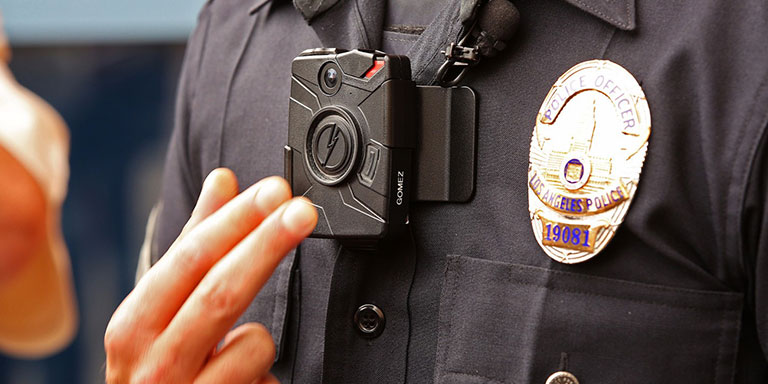
Choosing the Right Equipment from the Start
Not all body cameras are equal when it comes to audio performance.
- Look for models with better microphone specifications or support for external mics.
- Features like directional microphones, dual-mic systems, or built-in noise reduction can help improve raw recordings.
- Consider adding external solutions such as lavalier (clip-on) microphones or mounts with integrated wind protection.
Investing in the right gear upfront reduces the amount of correction needed later.
The Role of Audio Restoration
Even with the best setup, bodycam audio recorded outdoors will rarely be perfect. Wind, rustle, and environmental noise are simply part of the reality.
That’s why Audio restoration services play a crucial role in Bodycam audio improvement. Advanced processing can:
- Reduce wind rumble and background noise
- Isolate and enhance speech
- Minimise clothing rustle and handling artifacts
- Improve overall clarity and intelligibility
Final Thoughts
Body camera audio presents unique challenges, especially outdoors, where wind and movement constantly interfere. While you can’t eliminate these issues entirely, a combination of smart positioning, proper accessories, stable mounting, and post-production through Audio restoration services can dramatically improve results.
In short, great bodycam audio isn’t just captured, it’s engineered before and after recording. Even with effective Bodycam audio improvement techniques, not all noise is obvious. In the next article, we explore how background audio can reveal more than expected, including subtle sounds and hidden devices, and how Audio restoration services help uncover them.